Begin a Lincoln Resident Search
A Lincoln resident search works best when the question determines the record. An owner question points to Placer Assessment Inquiry and the Recorder. A current registration question points to California's authenticated voter service. A past-household question needs deeds, census schedules, directories, newspapers, or probate. A business connection belongs in state entity files, fictitious business-name records, or city licensing. The answer may also depend on whether the address is inside incorporated Lincoln or only carries a Lincoln mailing address in western Placer County.
These sources describe different relationships. An assessment roll can show an owner, a situs address, an owner mailing address, values, exemptions, and a transfer reference. A deed index names parties to an instrument. A permit identifies an applicant, contractor, project, or work date. None of those fields, by itself, proves who sleeps at the property. The same care applies to names: a case number, date, parcel, spouse, business, or document reference helps separate two people with the same name.
The first pass can follow five linked steps. Each step leaves an evidence trail that makes the next one more precise.
- Write down the exact name, address, unit, directional, approximate date, and reason for the search.
- Use the county GIS map for an address and record the parcel or assessment key it returns.
- Run the parcel key through Assessment Inquiry, then use the owner name in the Recorder index.
- Use My Voter Status only for an authenticated personal check, or apply through the qualified voter-data route.
- For older clues, compare the 1861 directory catalog, archival indexes, census schedules, newspapers, and a targeted records request.
Lincoln's Placer County Records Desk
Lincoln has no separate municipal recorder, assessor, vital-record registry, or trial court. Placer County is the main records desk for deeds, assessments, elections, marriages, local births and deaths, and Superior Court cases. The City Clerk remains important for Lincoln-created records, including council files, permits, licenses, and existing records requested under the California Public Records Act. The office split is practical: the right custodian can find a record that the wrong office cannot.
Placer County Clerk-Recorder
3715 Atherton Road
Rocklin, CA
530-886-5600 recording
The Recorder's online index is free for party, document, and date research, but it is a reference layer rather than a remote deed-image library. Assessment Inquiry is parcel-keyed. Elections data has purpose and confidentiality limits. The Placer Superior Court is the custodian for probate, family, civil, criminal, traffic, and small-claims cases. Marriage certificates belong with the Clerk-Recorder, while divorce files belong with Superior Court.
From Lincoln Address to Parcel
The county's parcel map is the cleanest bridge when the starting clue is a street address. The Placer Parcel, Zoning and Land Use Map accepts an address or parcel identifier. Search, zoom, select the polygon, and record the APN context, subdivision, zoning, and situs information. The free Assessment Inquiry then asks for a 12-digit Fee Parcel Number or 12-digit Assessment Number. It does not offer a simple owner-name or street-address search.
A parcel result can connect a location to assessed ownership information, map references, values, exemptions, a last-transfer date and deed number. The site address and the owner's mailing address are separate fields. A mailing address outside Lincoln may reflect a remote owner, an old record, or a tax correspondence destination. A Homeowners' Exemption can support an owner-occupancy clue, but it does not prove that every titled person lives there.
| Fee Parcel Number | 12-digit key for the parcel and related bill records |
|---|---|
| Assessment Number | 12-digit key for a particular assessment |
| Aircraft Tail Number | Key for an unsecured aircraft assessment |
| Agreement checkbox | Accepts the Assessment Inquiry disclaimer before the search |
GIS and the assessment roll answer different questions. GIS supplies the parcel shape and planning context. Assessment Inquiry supplies roll facts through the parcel key. For a lawful selected-area extract, the Assessor's PCA503 request allows APN, map-book, tax-code, group-code, or spreadsheet selection and can deliver CSV or GIS formats after payment. A whole-street search should be built from documented APNs rather than assumed from a ZIP.
What the Lincoln Property Roll Shows
Property records are useful because they tie names to durable parcel evidence. The documented assessment fields include APN, map book, tax-rate area, use codes, acreage, exemptions, certified values, last transfer date, deed number, owner name, owner mailing address, and site or situs address. The roll is an ownership and tax record. It is not a citywide residents directory and it does not list every household member.
Placer's free GIS extract deliberately omits owner names while retaining parcel, land-use, value, owner-address, shape, and situs fields. The county routes owner-information requests to the Assessor. That distinction matters when a reader sees a map and expects a name. It also keeps an address lookup honest: a polygon may show where land sits without disclosing the current household.
- Parcel
- A mapped property unit identified by an APN or assessment number.
- Situs address
- The physical location of the assessed property.
- Mailing address
- The destination for owner or assessment correspondence.
- Legal description
- The title language that can persist when a street address or APN changes.
- Criss-cross directory
- An address-ordered directory that may connect a place to a published occupant for a particular year.
Lincoln Deeds Behind a Name
The Recorder's daily grantor/grantee index is a resident trail through property parties, not a street roster. Use the owner name from the parcel step, search both grantor and grantee roles, and narrow with document type or recording date. The index can provide document number and recording reference. Scanned originals are available for public research or copying at the Recorder counter, not as remote images on the public index.
When a document is identifiable, a copy request can use the document type, named parties, reference, or older book-and-page information. The published copy description lists $2 for the first noncertified page and $1 for each added page, a $2 certification item, and $4.25 for fax or email delivery. Mail requests need a return address, daytime phone, payment, and enough identifying detail for staff to locate the instrument.
Title evidence comes from the deed or other recorded instrument and its legal description. The assessment roll is a useful current clue, but the Recorder is the stronger source for the conveyance itself. The two systems may briefly disagree because Recorder fraud notices can arrive before an Assessor ownership update.
Note: Ask the Recorder at 530-886-5600 for the earliest searchable online date because the published page does not state the index's beginning year.
My Voter Status Is Not a Street Roll
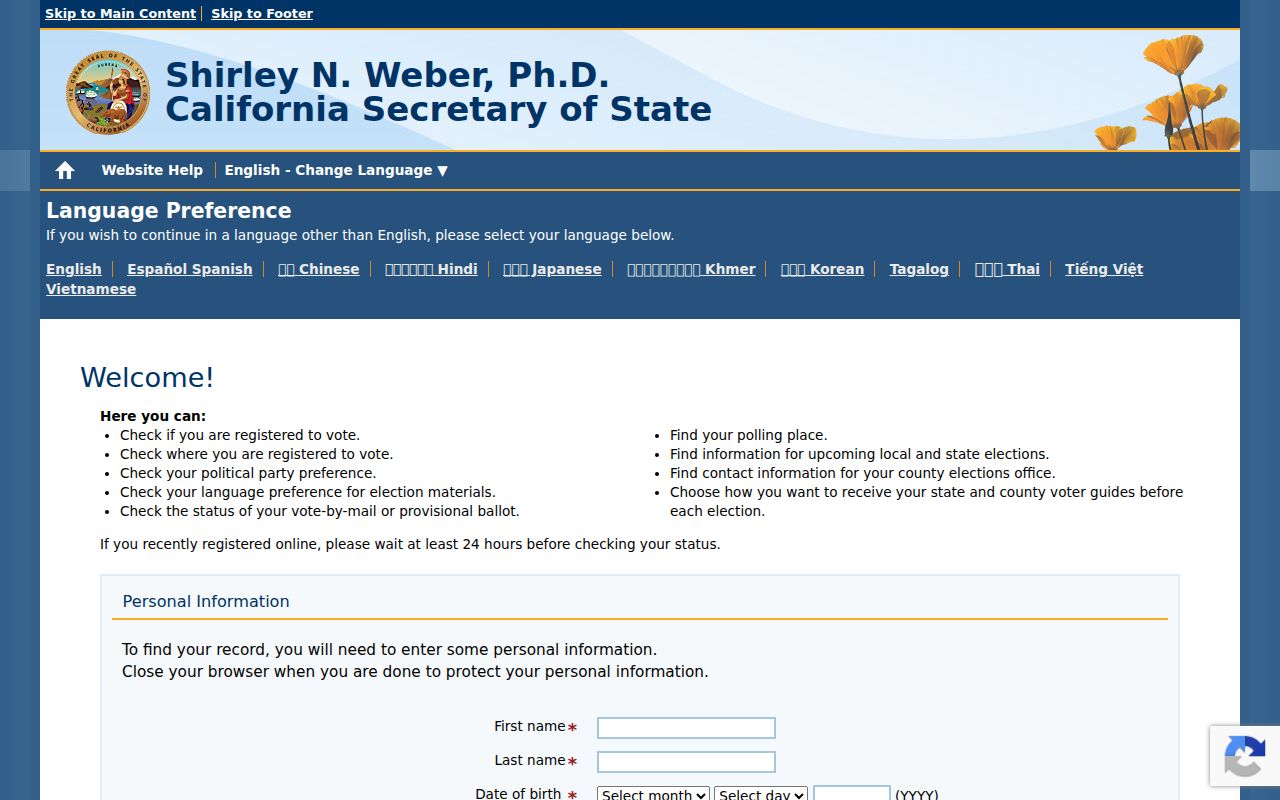
California's My Voter Status service is an authenticated personal lookup. It asks for a first name, last name, date of birth, and, when requested, a California driver license or identification number or the last four digits of a Social Security number. A result may show the user's own status, party preference, precinct, districts, voting location, vote-by-mail information, and ballot status. It never shows ballot choices.
That service cannot be browsed house by house. Qualified-purpose voter-file requests are governed by Elections Code sections 2188 and 2194, related regulations, and confidentiality rules. A state request may require a full name, date of birth, county, and residence address, and the documented schedule distinguishes a statewide file from specific records. Commercial use is prohibited, and Safe at Home voters use confidential registration.
Use the voter route as one authorized confirmation, not as the missing master directory. A name that does not appear in the personal service is not proof that a person is absent from Lincoln. The record may be protected, the question may not be the voter's own, or the information may require a permitted file request through Placer Elections.
California's My Voter Status service shows the authenticated lookup route.
Current Lincoln Directory Sources
Current directory-like sources are best read as separate evidence layers. Each row below answers a different question, and none should be stretched into a complete list of everyone who lives in Lincoln.
| Source | What It Identifies | Keeper | Access |
|---|---|---|---|
| Assessment roll | Owner, situs, mailing, values, exemptions | Placer Assessor | 12-digit parcel key |
| Recorder index | Deed parties and recording references | Placer Clerk-Recorder | Free index; images at counter |
| Voter status | One voter's own registration status | California Secretary of State | Authenticated lookup |
| City contacts | Public officials and department contacts | City of Lincoln | Free web directory |
| Permits and licenses | Projects, applicants, businesses, and locations | Lincoln or Placer | Portal or records request |
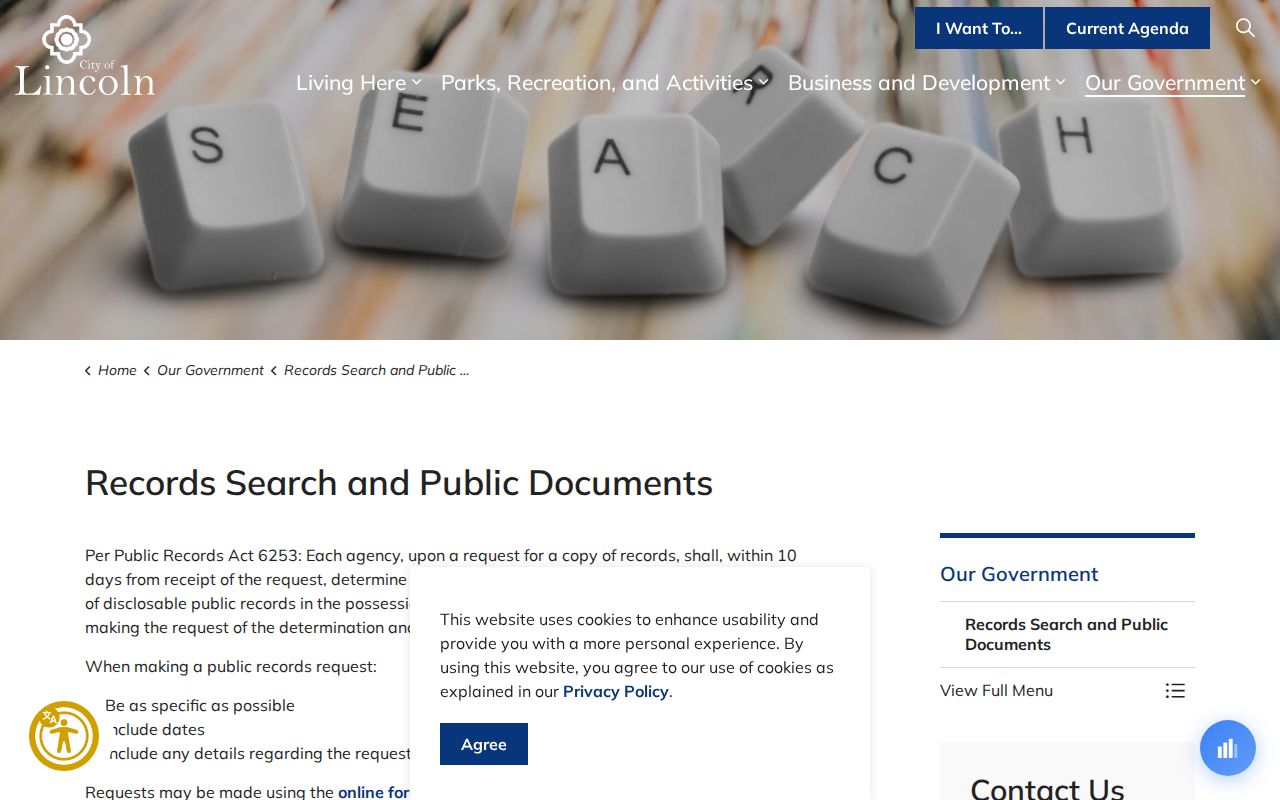
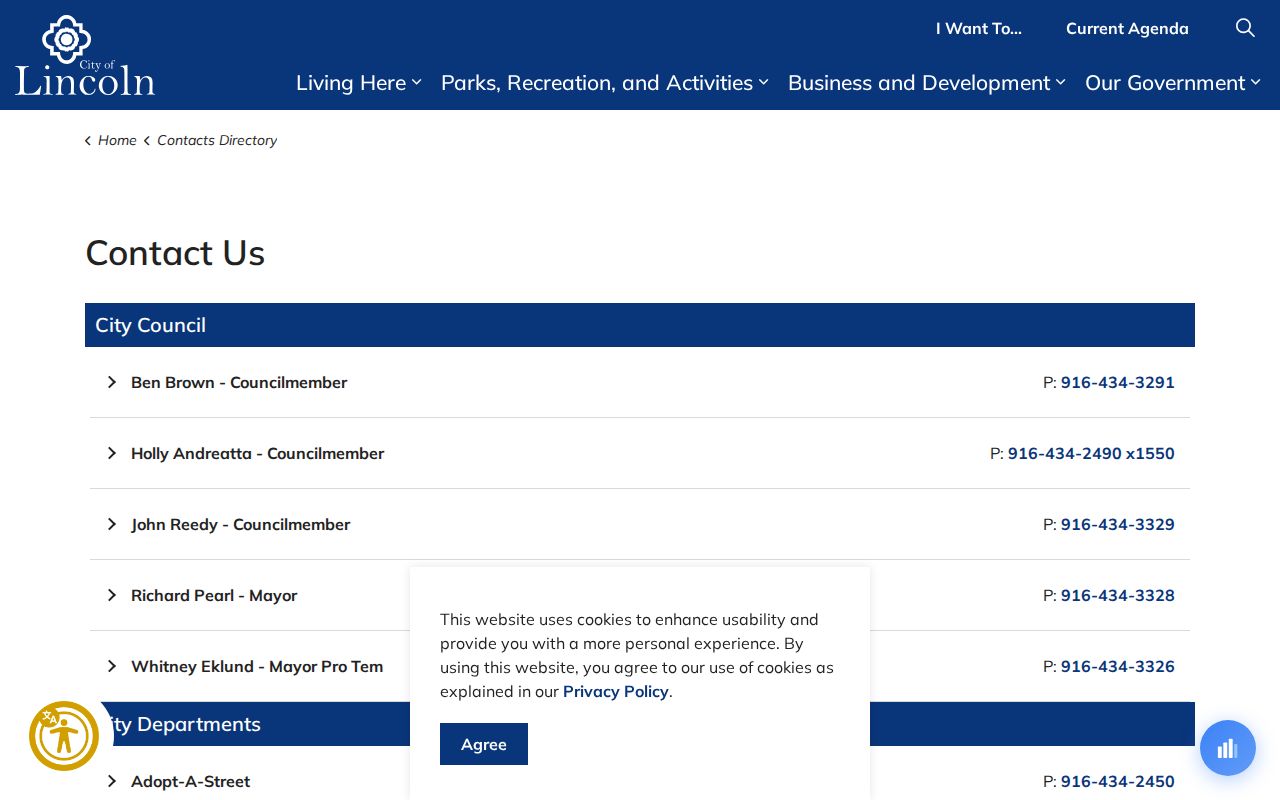
The City of Lincoln's public-records page accepts requests online, by email, in person, or by phone. Include a date range, exact address or APN if known, and the record class. The City Clerk's published contact is 600 6th Street, Lincoln, California 95648, 916-434-2490 extension 4, with city hall hours Monday through Friday from 8:00 a.m. to 5:00 p.m. City records can supply an address-dated permit or council reference, but a city applicant is not automatically an occupant.
Lincoln Business and License Clues
A resident search sometimes begins with an organization rather than a home. California Secretary of State bizfile can connect a business name or number to entity status, formation or registration, principal and mailing addresses, an agent for service, and filed statements or images when available. Those are filing addresses and affiliations, not residence proof. Placer fictitious business-name statements add a local trade-name trail, while Lincoln's city license process covers businesses operating inside city limits.
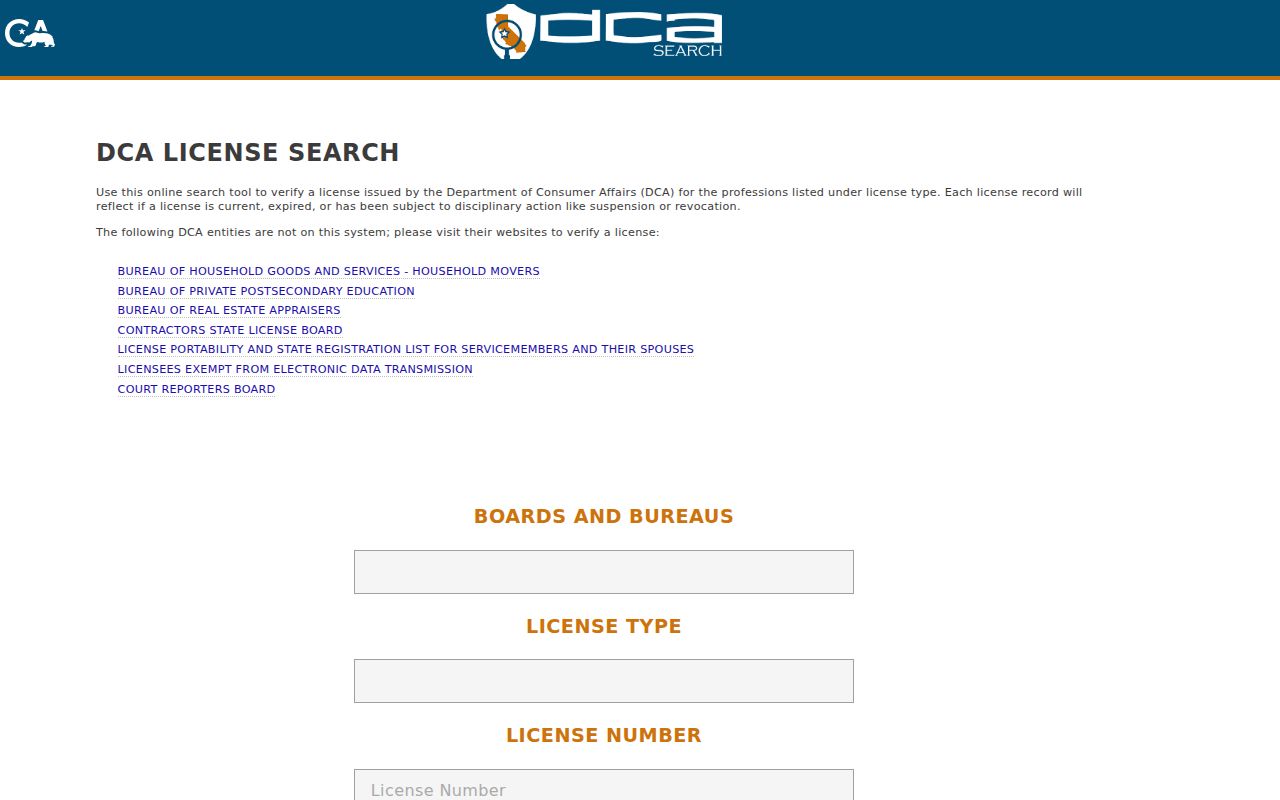
The Department of Consumer Affairs license search adds another official name check. Board and license records may show a license number, status, dates, or discipline links, depending on the profession. A professional address can be a place of practice or correspondence. Match it with a parcel, date, entity filing, or other independent anchor before treating two records as one person.
Lincoln's city license material says applications, renewals, and research use an electronic portal. The city licensing update recorded in 2026 should be checked against the current fee schedule before any payment. For a county-only business outside incorporated Lincoln, use Placer's county process instead.
When Lincoln's Portal Ends
California's Public Records Act is the fallback for existing city or county records that are not indexed online. Government Code Division 10, sections 7920.000 and following, lets any person request an existing public record. An agency generally gives a determination within ten calendar days and may take a written fourteen-day extension for unusual circumstances. Inspection is ordinarily free, while direct duplication or another lawful cost may apply to copies and special electronic work.
Write a narrow request. Name the custodian, describe the record class, give the address or APN, state a date range, and ask for existing records rather than a new resident list. CPRA does not require an agency to create a report, disclose confidential vital indexes, or release exempt personal information. The City Clerk can route police-report questions, but law-enforcement exemptions and redactions may apply.
Lincoln's public-records page identifies the request channels and the City's records route.
Note: The CPRA request route is for existing, nonexempt City records; it is not a shortcut around the Recorder's copy process for an identified deed.
Historical Lincoln Resident Directories
The historical Lincoln residents directory trail is thinner but more interesting than a modern master list. FamilySearch catalogs California, Placer County directory, 1861, with digital images made from an original held by the Lincoln Area Archives Museum. The catalog identifies DGS 104933440. It does not establish a complete Polk run, a local reverse-directory run, or the fields printed on every page. Those gaps should stay visible.
Other county-level tools fill the decades. Placer County Genealogical Society indexes marriage-license books A through G from 1851 to 1905, a 1890 Great Register with 4,046 names, the Placer Herald name index with 12,206 records from 1852 to 1887, and an Archives biography, oral-history, and newspaper index with 23,727 entries. A past household can be tested against deeds, census schedules, newspapers, and probate rather than forced into one directory volume.
For the full collection trail, use the Lincoln city directories page. Modern street and parcel evidence belongs in the Lincoln by-street records workflow. The two angles meet when a historic address must be matched to a current parcel.
Where Lincoln History Is Shelved
Lincoln's library geography is a useful search clue. Twelve Bridges Library is a city-run joint-use facility at 485 Twelve Bridges Drive, with the published phone number 916-434-2410. Ancestry Library Edition is described as in-building access, while HeritageQuest is available remotely with a library card. The nearest Placer County Library branch is in Rocklin, a separate system from the City of Lincoln library.
The Placer County Archives holds county records from the 1851 organization era along with maps, photographs, oral histories, newspapers, and private manuscripts. Published listings disagree between 11523 and 11526 C Avenue in Auburn and vary in public research blocks, so call 530-889-7789 before a visit. This is a useful insider check: a catalog lead is not the same as a confirmed open reading-room appointment.
Lincoln's 1909 Carnegie library was funded by Carnegie, Gladding McBean, and residents and closed in 2011. Twelve Bridges opened in 2007. Those civic milestones can lead to school, pottery, railroad, club, church, and newspaper material, but a named directory or yearbook run still needs catalog confirmation.
Protected Records Need a Different Route
Some dead ends are legal boundaries, not missing research. California's comprehensive birth, death, and marriage indexes are confidential under Health and Safety Code section 102230. Authorized certified copies require statutory eligibility, and informational certified copies carry an identity-use warning. The documented CDPH vital-record fee schedule adds current ordering context. Safe at Home gives qualifying at-risk people a substitute mailing address and confidential voter registration. The federal Driver's Privacy Protection Act also keeps DMV personal information outside an ordinary resident search.
California's Delete Act created DROP for one request to registered data brokers, with rules effective January 1, 2026. That process concerns broker-held data, not the public records kept by Placer County or Lincoln. A person can request correction from the office that holds an assessment, court, voter, license, or vital record, but a private directory cannot change that source record.
Lawful personal use. Lincoln records can support family history, reconnecting, estate research, civic understanding, and personal safety awareness. Do not use a name or address trail to stalk, harass, intimidate, or harm anyone. Verify important information with the custodian before relying on it.
A commercial search tool may combine public and private data, charge for access, or merge two people with similar names. Treat that category as a lead only. Official records, dates, document numbers, and direct custodian confirmation carry more weight.
Free Index or Paid Copy?
Access cost and evidentiary value are not the same thing. Lincoln research often starts with a free tool, then moves to a paid copy or in-person review when the question needs proof.
| Route | Best Use | What It Does Not Prove |
|---|---|---|
| GIS map | Find a parcel and understand geography | Current occupant or legal title |
| Assessment Inquiry | Read parcel-keyed roll facts | Every household member |
| Recorder index | Find a deed reference and party role | Remote image access |
| Office copy or court file | Inspect the record behind an index | A guarantee that a name belongs to the person sought |
| Directory or archive | Test an earlier household or social link | Continuous residence between publication years |
The strongest Lincoln residents directory result is a chain of two or more independent anchors. A parcel plus deed is stronger than a parcel alone. A case number plus filing date is stronger than a same-name court hit. An obituary plus a dated address is stronger than an undated online profile. Record the source, date accessed, field used, and whether the result came from an index or an image.
Lincoln's Record-Keeping Timeline
Lincoln's records make more sense when the civic timeline is kept beside the source list. Placer County was created in 1851. Lincoln began as a railroad town in 1859 and incorporated in 1890. That means an early Lincoln household may appear in county records before it appears in city minutes, licenses, or permits.
- 1851: Placer County's county-era land, marriage, assessment, court, and probate series begin to organize.
- 1859: Lincoln's railroad-town period gives older searches railroad, pottery, clay, and Gladding McBean terms to test.
- 1890: The Great Register supplies a nominal population substitute after the lost federal 1890 schedules.
- 1909: Lincoln's Carnegie library becomes a civic and local-history reference point.
- 2007 and 2011: Twelve Bridges opens, while the Carnegie library later closes, changing where local research is handled.
- 2024 to 2026: Recorder fraud notices, the DROP privacy system, and Lincoln licensing changes add current access context.
Historical gaps do not automatically mean a courthouse disaster or a lost population. Research did not verify a catastrophic courthouse fire, an exhaustive street-renumbering history, or exact Sanborn sheet years for Lincoln. Keep those items as open questions rather than filling them with regional assumptions.
One Lincoln Search Checklist
A clean evidence log prevents a promising clue from becoming a false identity. Preserve the original query, including unit numbers, directionals, alternate spellings, suffixes, and the date range. Standardize a mailing address through USPS when needed, but do not use a ZIP code as proof of a city limit.
- Record the GIS parcel, APN context, subdivision, and jurisdiction.
- Note the assessment cycle, situs, owner mailing distinction, values, exemptions, and transfer reference.
- Save Recorder party, document type, recording date, number, and legal-description clues.
- Use court, business, license, directory, or obituary records only after adding a second identifier.
- Write down the custodian, access date, fee, restriction, and correction route for every result.
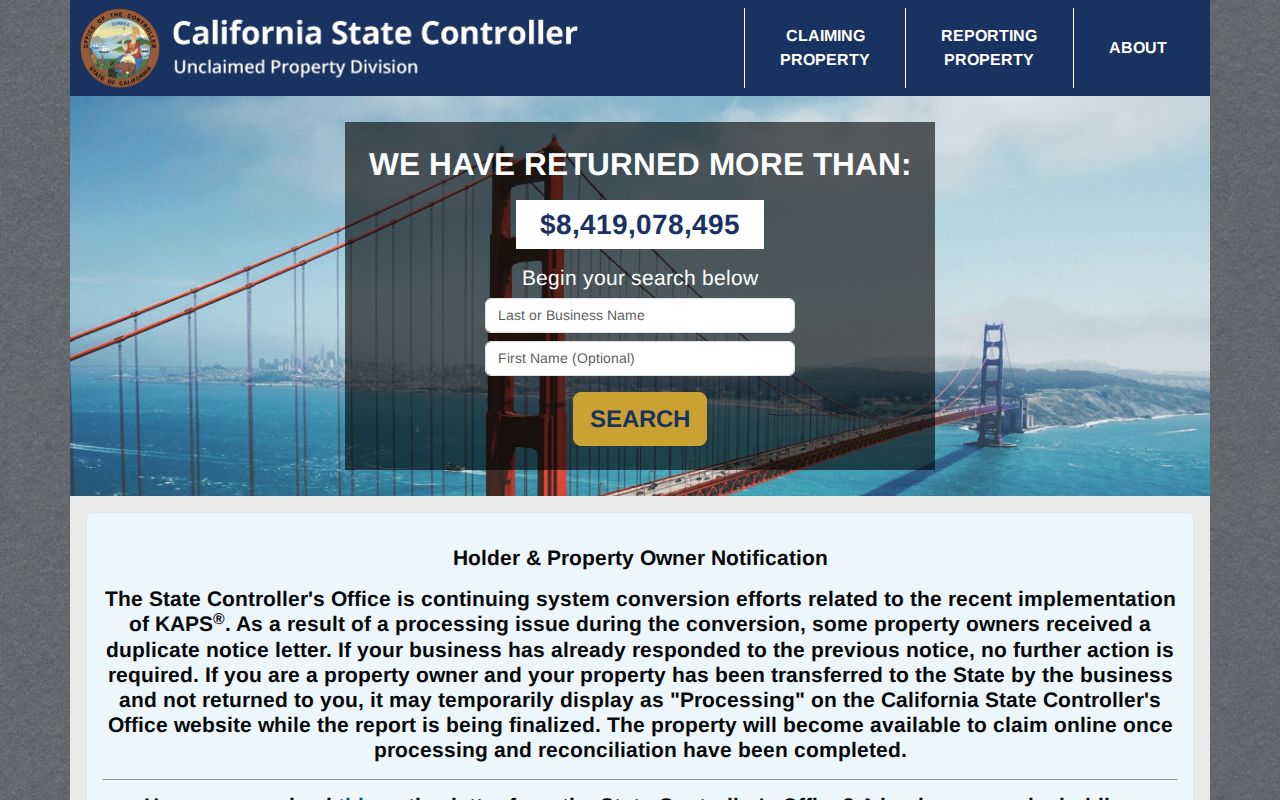
For a final name clue, the State Controller's unclaimed-property search is free, but a claim requires identity proof. It can suggest an earlier city or mailing connection without establishing current residence.
The State Controller's unclaimed-property search provides a free name-based lead.